
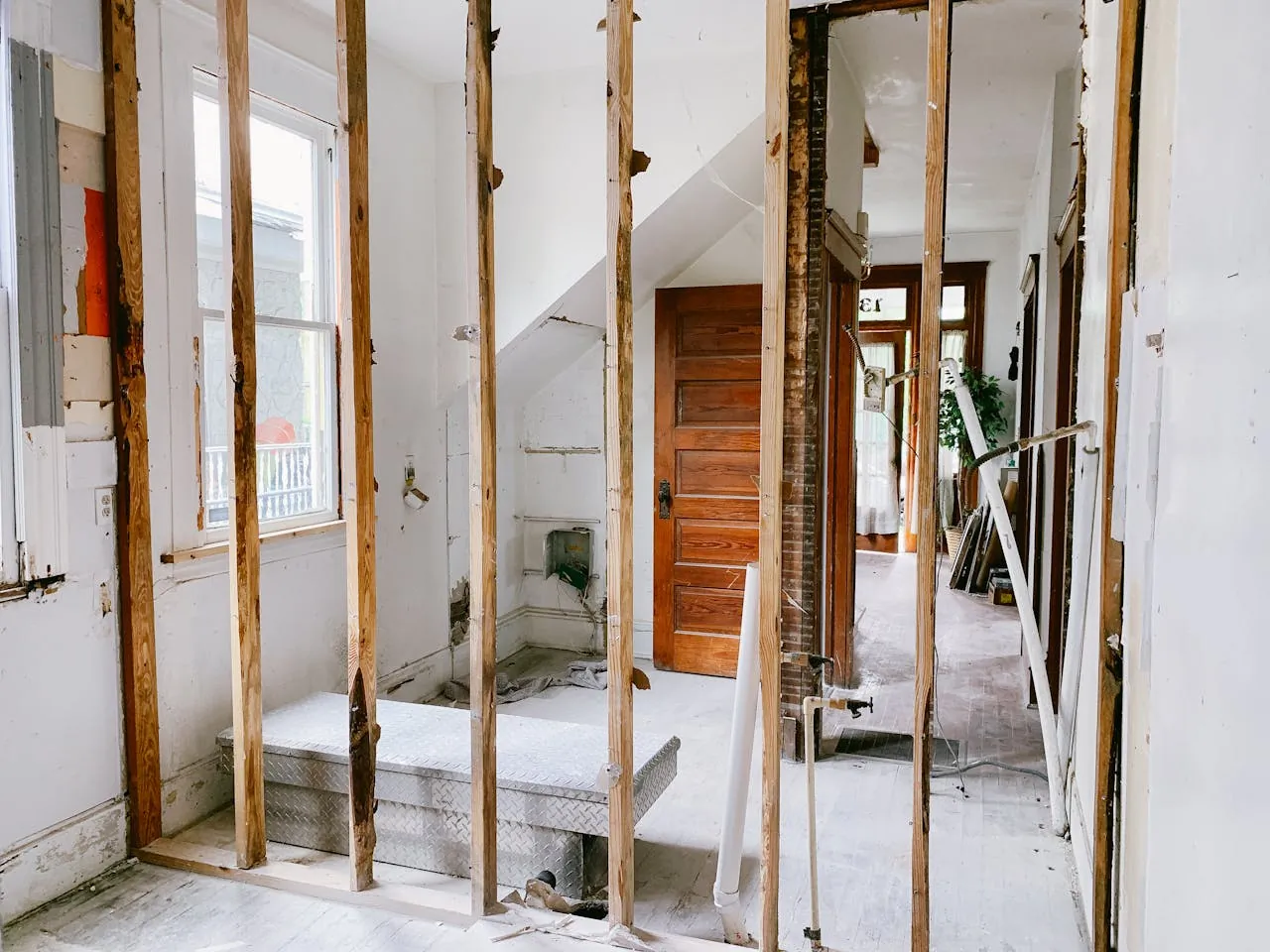
You’ll save time and money by focusing only on fixes buyers notice and appraisers respect, so start with a market-led triage that separates safety items, high-ROI updates, and cosmetic quick wins. Use comps and contractor ballparks to decide whether to repair, disclose, or price for the work, and I’ll show you a simple checklist and cost ranges to make those calls confidently.
Pre-Sale Repairs: Quick Triage Checklist for Agents
Before you list, triage the property like a pro: hire a certified, insured inspector (ASHI or InterNACHI), gather maintenance records and permits, and run quick functional checks on plumbing, electrical, HVAC, smoke/CO detectors, and visible structural elements so you can prioritize repairs that boost buyer confidence and reduce surprises. Add a pre-listing inspection to identify issues early and plan repairs accordingly, since a comprehensive assessment can prevent last-minute negotiations. Use a tight pre-inspection checklist to guide the walk-through: confirm access to attics, panels, water heaters, and document warranties, permits, and past repairs. Test faucets, switches, detectors, and note cosmetic versus safety items. Get multiple inspector quotes and review sample reports for thoroughness. Additionally, understanding the average earnings for agents in Minnesota can help you frame repair costs relative to the market. Map concise repair timelines tied to market windows so sellers know what to fix now, defer, or disclose—helping you position the listing competitively and transparently.
ROI Rules: Repairs That Usually Pay (With Sample Costs)
When you’re deciding what to fix before listing, prioritize projects that reliably recoup dollars at sale and visibly boost buyer confidence—think doors, curb-facing systems, and midrange kitchen updates rather than high-end renovations.
Use ROI analysis and sensible repair prioritization: pick items with strong resale percentages and visible impact.
- Garage door replacement: costs ~$4,300–4,500, often recoups 100–300% and improves curb appeal and safety.
- Entry door (steel): ~$2,200–2,435, often around 100–216% ROI; high impact, low effort.
- Midrange minor kitchen remodel: ~$26–28K, can recoup ~86–113%; best kitchen ROI is midrange. Additionally, consider how property values can fluctuate based on market conditions, which may affect potential returns.
Also consider interior paint and refinishing (interior paint ~107% ROI, floors ~147%) to address deferred maintenance and move buyers quickly.
Renovations generally return about 70% of their cost on average.
Prioritize Repairs: Cost, Visibility, Buyer-Concern Checklist
Because buyers and lenders zero in on obvious risks, prioritize repairs that protect safety, guarantee major systems work, and improve curb appeal—address electrical hazards, loose railings, active leaks, and nonfunctional HVAC or water heaters first. Then fix items that trigger financing flags like missing detectors, peeling exterior paint, or roof damage. You’ll use repair prioritization strategies that sequence work by safety, financing impact, and visibility. Start with structural and system fixes—foundation cracks, mold, outdated panels, leaking plumbing—then tackle items inspectors flag for loans: smoke/CO detectors, broken windows, gutter issues. Additionally, addressing high-visibility defects like peeling paint can significantly enhance the property’s overall appeal. Finally, improve high-visibility flaws that shape first impressions: damaged drywall, obvious flooring damage, front-door appearance. Also consider the cost-effectiveness of repairs, focusing first on those with the highest return on investment.
Low-Cost Updates That Boost Offers and Photos
Once you’ve handled safety, systems, and lender flags, focus on low-cost updates that lift photos and offers without blowing the budget. You’ll want easy wins that show well online and at open houses: curb appeal tweaks and interior painting deliver strong ROI and faster offers.
Prioritize visible, affordable fixes buyers notice first.
- Paint the front door black, refresh trim, clean walkways, and tidy landscaping for a weekend curb appeal boost.
- Do neutral interior painting to brighten rooms and make spaces feel move-in ready.
- Swap dated cabinet hardware, update light fixtures, and add smart basics like a video doorbell to modernize without heavy renovation.
These moves elevate photos, widen buyer appeal, and cost a fraction of major repairs. Also include simple energy-saving upgrades like sealing drafts or adding insulation to appeal to cost-conscious buyers and highlight energy efficiency.
When to Disclose, Cut Price, or Get Contractor Bids
If you’re weighing repairs, price cuts, or contractor bids, start by matching the problem’s severity to its disclosure and cost implications: minor cosmetic fixes can be handled quietly or absorbed into a small price adjustment, but anything that affects safety, structural integrity, or material value demands immediate disclosure and often a professional assessment.
You should prioritize disclosure timing—material defects, past repairs, or environmental hazards require prompt, documented notice under Missouri and Nebraska rules. Sellers must disclose known defects. Additionally, failure to disclose material facts can lead to civil liabilities, including fraud claims, which underscores the importance of transparency.
For serious issues, get contractor bids to inform a sensible price cut versus repair decision; retain permits and invoices to boost buyer confidence. Keep contractor communication clear and written, amend disclosures if new defects appear, and remember that transparent choices usually cost less than litigation.
Frequently Asked Questions
How Do Seasonal Market Shifts Affect Repair Priorities?
Seasonal market trends shift priority changes: you’ll favor curb appeal and weatherproofing in spring, low-cost cosmetic fixes in summer, inspection-driven mechanical repairs in fall, and key habitability fixes in winter to maximize offers.
Should Sellers Finance Repairs Through Their Mortgage?
You can, but weigh repair financing via your mortgage carefully: mortgage considerations include interest, closing delays, and appraised value impact. Agents should recommend cost-effective fixes, compare renovation loan options, and prioritize buyer-appeal upgrades.
Can Staging Replace the Need for Certain Repairs?
Not entirely; you can use staging benefits as repair alternatives for cosmetic issues—decluttering, cleaning, curb appeal—but you shouldn’t skip structural, safety, plumbing, electrical, or roof repairs that buyers and inspectors expect.
How Do Local Code Violations Impact Saleability?
Local code violations hurt saleability: they lower buyer perceptions, worsen inspection outcomes, and weaken your negotiation leverage. Prioritize code compliance to reassure buyers, prevent discounts, and position your property as market-ready for stronger offers.
When Is It Worth Getting Multiple Contractor Bids?
Get multiple bids when repairs are significant or impact sale price; you’ll want contractor qualifications checked and thorough bid comparisons. Don’t overbid small fixes—three comparable bids usually give market-savvy confidence for negotiation and selection.
References
- https://www.zillow.com/learn/best-home-improvements-to-increase-value/
- https://www.opendoor.com/articles/should-you-make-home-improvements-before-listing
- https://www.homelight.com/blog/how-much-work-to-do-before-selling-house/
- https://home.howstuffworks.com/real-estate/selling-home/fix-up-before-sale.htm
- https://bestutahrealestate.com/news/how-to-calculate-if-repairs-are-worth-it-before-selling
- https://www.experian.com/blogs/ask-experian/should-you-fix-up-house-or-sell-it-as-is/
- https://wini.com/articles/pre-listing-home-inspection-checklist-for-sellers/
- https://www.inman.com/2018/02/26/ultimate-real-estate-agent-home-inspection-checklist/
- https://www.rocketmortgage.com/learn/home-inspection-checklist
- https://info.buyersbrokersonly.com/blog/pre-offer-home-inspections-what-massachusetts-homebuyers-should-know