
As a real estate agent, preparing for tax time can feel overwhelming if you wait until the last minute. Implementing a year-round recordkeeping system can help you stay organized and reduce stress. By keeping track of your transactions and expenses throughout the year, you can avoid the chaos that often accompanies tax season. Let’s explore how you can set up an efficient system that not only simplifies your process but also maximizes your deductions.
Tax Obligations for Real Estate Agents
When you’re a real estate agent, understanding your tax obligations is key to managing your finances effectively.
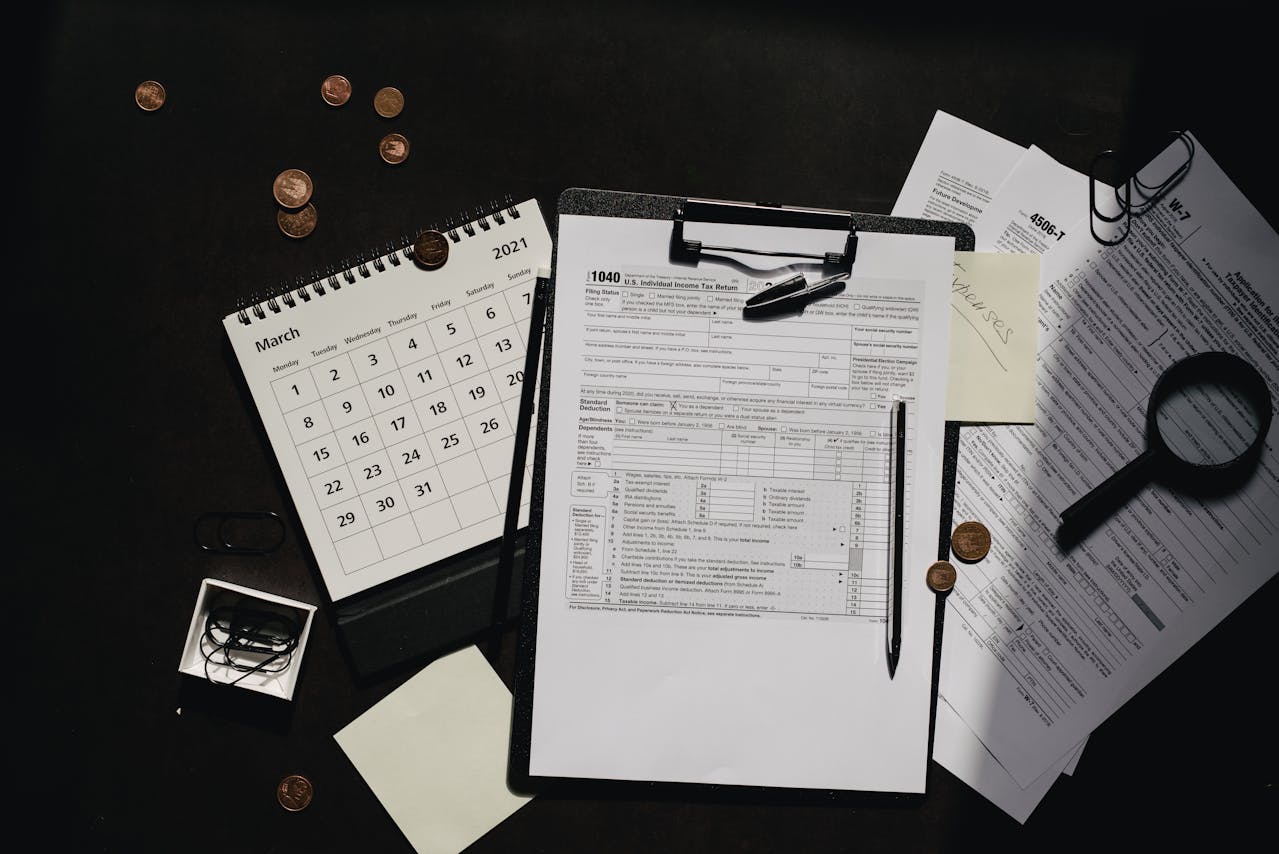
As a statutory nonemployee, you’ll file your taxes using Form 1040 with Schedule C to report your business income and expenses. Since your commissions don’t have tax withheld, you must make quarterly estimated payments to the IRS. Additionally, since licensed real estate agents are treated as self-employed for federal tax purposes, it’s essential to be aware of the implications this has on your overall tax strategy. Remember that your average earnings as a real estate agent in Minnesota are around average earnings for agents $78,217, which can help you estimate your tax liabilities more accurately.
Remember, these payments are based on your projected net income, so it’s wise to set aside about 30–35% of your earnings for federal taxes. Missing tax deadlines can lead to penalties, so stay organized.
Also, don’t forget to take into account state and local estimated taxes in your planning. Staying on top of these obligations will help you avoid surprises come tax time.
Create an Efficient Year-Round Recordkeeping System
Creating an important year-round recordkeeping system is key for real estate agents to streamline their operations and minimize stress during tax season.
Start by implementing recordkeeping best practices, such as maintaining a centralized, per-transaction filing system. Create per-listing files that include contracts, invoices, and closing disclosures, stored in searchable digital folders for quick access. Additionally, consider utilizing expense tracking apps that offer intuitive expense categorization for customizable sorting.
Establish daily, weekly, and monthly bookkeeping routines to keep your records current, preventing year-end backlogs. Use specialized accounting software to automate data entry and categorize transactions effectively. Tracking income is essential for understanding cash flow and profits through meticulous income reports and sales records.
Additionally, leverage receipt scanning apps and mileage tracking tools to maintain thorough records. By prioritizing year-round organization, you’ll find tax preparation less overwhelming and guarantee your financial data remains accurate and accessible.
Identify and Track Your Key Deductible Expenses
Many real estate agents overlook the importance of identifying and tracking key deductible expenses, which can greatly impact their tax liability. By diligently tracking these deductible items, you’ll not only maximize your deductions but also reduce your stress during tax season.
Consider these significant expenses:
- Advertising & marketing costs like signage and online ads
- Vehicle and travel expenses for showings and client meetings
- Home office deductions for utilities and office supplies
- Professional fees for licensing and education, including continuing education courses that are fully deductible. Additionally, taking courses like Home Inspection 101 can enhance your knowledge and provide valuable insights for your clients.
Implementing a systematic approach to expense tracking will help guarantee nothing slips through the cracks.
Utilize apps or spreadsheets to log these expenses regularly, and you’ll find tax time becomes much more manageable.
Your Comprehensive Tax Checklist
As you wrap up your expense tracking, it’s time to turn your attention to your detailed tax checklist.
Start by compiling all income records, including 1099-NEC and 1099-K forms, along with detailed commission statements and any other income streams. Gather key tax forms like prior-year tax returns and identification data, including your Social Security number or EIN.
Next, set up and reconcile your financial records, making sure your profit and loss statements and bank statements are matched and organized. Remember that as an independent contractor, you are responsible for paying self-employment taxes on your earnings. Additionally, consider how health insurance premiums can impact your overall tax liability.
Don’t forget to document estimated tax payments and any tax deductions related to health insurance or retirement contributions.
Finally, confirm your filing requirements to verify you meet all deadlines. This thorough approach will streamline your tax preparation.
Engage Tax Professionals and Tools to Simplify Your Tax Process
While maneuvering through the complexities of real estate taxes, engaging qualified tax professionals and utilizing specialized tools can considerably simplify your tax process.
By prioritizing tax professional collaboration and software integration, you’ll enhance efficiency and accuracy.
- Peace of mind: Feel secure knowing a credentialed expert is guiding you.
- Less stress: Avoid last-minute chaos by planning your tax strategy early.
- Maximized deductions: Guarantee you capture every potential write-off with the right tools. With tax software that tracks deductions, you can ensure you’re not missing out on significant savings. Moreover, understanding tax-deferred growth allows you to strategically manage your investments for optimal returns.
- Time-saving automation: Experience the freedom of automated tracking for expenses and mileage.
Utilize real estate-specific platforms and maintain regular communication with your tax professional to create a robust financial framework, guaranteeing your tax time is as seamless as possible.
Frequently Asked Questions
What Are the Tax Implications of Selling a Personal Property?
Selling your primary residence can trigger capital gains tax on profits exceeding $250,000 for singles or $500,000 for couples, depending on ownership and use. Keep records of improvements and selling costs to substantiate your basis.
How Can I Minimize My Overall Tax Liability as an Agent?
To minimize your overall tax liability as an agent, leverage tax deductions through diligent expense tracking. Record every deductible expense, utilize appropriate business structures, and consider retirement contributions to enhance your savings and reduce taxable income.
Are There Specific Tax Benefits for First-Time Home Buyers?
Yes, first-time home buyers can benefit from mortgage interest deductions and certain credits, like Mortgage Credit Certificates. These can significantly reduce your taxable income, making homeownership more affordable in the initial years.
How Does My State Tax Law Differ From Federal Tax Regulations?
Your state tax law often varies from federal regulations, particularly regarding state tax deductions and federal tax credits. States may limit or disallow certain deductions, affecting your overall tax liability and potential savings.
What Happens if I Miss the Tax Filing Deadline?
If you miss the tax filing deadline, you’ll incur significant penalties, which can escalate quickly. Consider filing extensions to mitigate these penalties, but remember, you still need to pay any owed taxes to avoid further interest.
References
- https://www.blockadvisors.com/block-advisors-tax-prep-checklist-realtor.pdf
- https://goldstardirect.com/pdf/realtors.pdf
- https://www.ncrealtors.org/wp-content/uploads/052125webinar-deduction-checklist.pdf
- https://miningertax.com/files/Tax-Prep-Checklist-TY2024.pdf
- https://www.realtrends.com/blog/2024/11/27/the-complete-tax-deductions-checklist-for-real-estate-agents/
- https://www.aceableagent.com/career-center/national/tax-cheat-sheet-for-real-estate-agents/
- https://www.irs.gov/businesses/small-businesses-self-employed/licensed-real-estate-agents-real-estate-tax-tips
- https://www.hrblock.com/tax-prep-checklist/
- https://turbotax.intuit.com/tax-tips/self-employment-taxes/tax-tips-for-real-estate-agents-and-brokers/L6JBCu3uH
- https://www.joshuascottassociates.com/end-of-year-tax-checklist-for-real-estate-professionals